
Arranging furniture is more than placing pieces around a room. The way you set up your home can affect how comfortable and functional each space feels. When done right, furniture placement can completely transform the look of your interiors, making them appear well-balanced and thoughtfully designed. Even the smallest changes, like shifting a chair or adjusting the angle of a table, can create a noticeable difference in the overall flow of your home.
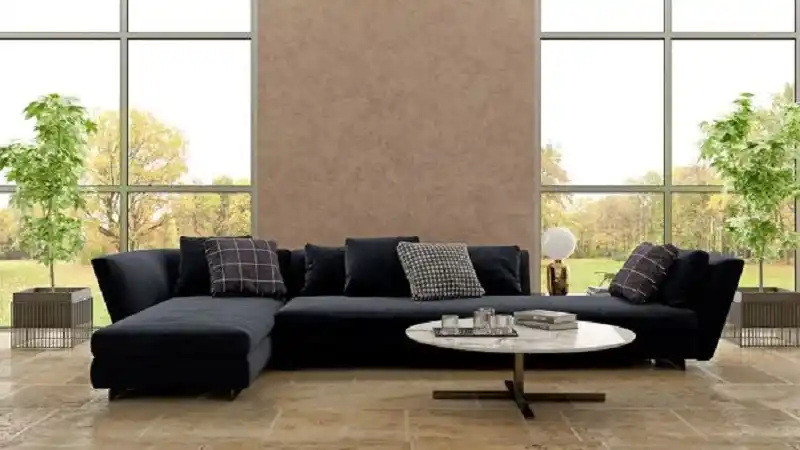
If you’re looking for inspiration, a great example is arranging a corner lounge in your Perth home’s nook, showing how a simple yet stylish setup can maximise practicality. Modular lounges also highlight that furniture arrangement is about striking the right balance between beauty and usability. By carefully considering where you place these essential pieces, you can shape the experience of your home for you and your guests. Now, let’s explore some practical, easy-to-follow tips for arranging your furniture like a designer.
Start with a Focal Point
Every room should have one main feature that draws attention, like a fireplace, TV, or large window. Arrange your furniture to complement this focal point. For example, in a living room, position your sofa to face the feature, then add chairs or smaller pieces around it to create a comfortable setting for conversation.
Leave Enough Walking Space
A good furniture arrangement ensures there is enough room to walk around easily. Avoid cluttering pathways with too many pieces. Keep at least a couple of feet between sofas, chairs, and tables. This small detail makes your home feel open, airy, and welcoming.
Balance Heavy and Light Pieces
Don’t place all large furniture items on one side of the room. Mix heavier pieces, such as a large sofa, with lighter ones, like chairs or side tables. This balance creates harmony and prevents the room from looking uneven.
Use Rugs to Define Areas
Rugs are great tools for separating areas within open spaces. A rug can define a living area, dining zone, or even a reading corner. Place furniture so that at least the front legs of chairs or sofas sit on the rug. This makes the arrangement look neat and intentional.
Consider Natural Light
Position furniture to maximise the use of your natural light. Avoid blocking windows with large pieces, and instead, place seating near windows to create bright, cosy spots. Natural light makes any room feel warmer and more inviting.
Group Furniture for Conversation
Arrange sofas and chairs so people can talk comfortably without straining. A U-shaped or L-shaped layout works well for living rooms. Even in smaller spaces, bringing chairs closer together makes conversations more natural and enjoyable.
Mix Styles for Personality
While matching furniture can look neat, mixing different styles adds character. For example, pair a modern sofa with a classic coffee table or add a statement chair to a neutral setting. This creates visual interest and keeps your home from looking too uniform.
Think About Functionality First
The most important part of arranging furniture is making sure the layout works for your daily life. A bed should be easy to access, a dining table should have enough room for chairs, and a workspace should feel practical. Style is important, but comfort and use should always come first.
Practical Bedroom Setup
Bedrooms deserve just as much attention when it comes to arrangement. Placing a king-size bed in the centre of a Perth bedroom often works best, with side tables on each side for balance. The storage bed should be easy to access without making the room feel crowded.
Wrapping Up
Designing your space doesn’t mean you need an expert, just a little planning and creativity. From placing a corner lounge-inspired style to arranging sofa sets that become the heart of your living room, furniture arrangement plays a key role in creating a home you love. By keeping balance, flow, and function in mind, you can bring out the best in every room. When you’re looking for fresh ideas, plenty of inspiration can make your space both practical and beautiful. Whether you’re rearranging your current pieces or adding something new, these tips will help you style your home like a designer while keeping it comfortable and personal.
SEE MORE: homestylish.org